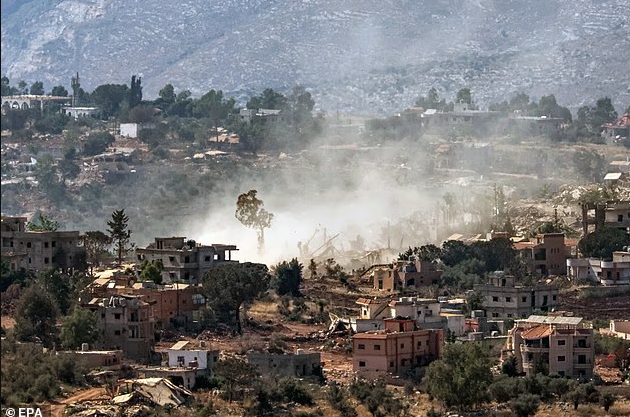

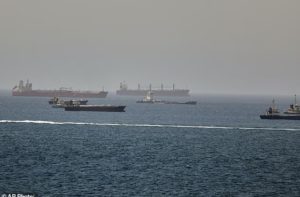
President Donald Trump and Iran have signed an interim peace agreement aimed at ending the U.S.-Iran war and reopening the Strait of Hormuz, one of the world’s most important oil and gas shipping routes.
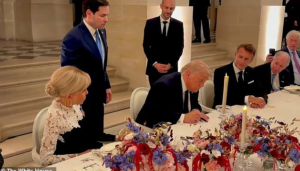
The agreement is being described as a major diplomatic breakthrough after months of conflict, attacks on commercial shipping and rising energy prices. The deal is expected to stop hostilities, restore maritime traffic through the Strait of Hormuz and begin a new round of negotiations over Iran’s nuclear program and sanctions relief.
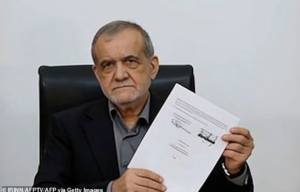
According to reports, the deal includes a 60-day negotiation period. During that time, Iran is expected to allow toll-free passage for commercial vessels through the Strait of Hormuz, while traffic through the waterway is expected to return to full capacity within 30 days.
The agreement also includes U.S. waivers for Iranian oil exports, petroleum products and related banking services. That move could allow more Iranian oil to return to global markets, which may help ease pressure on energy prices.
Oil prices fell after news of the agreement, as traders reacted to the possibility of more oil supply and safer shipping through the Gulf region.
However, the deal is not the final long-term settlement. Officials say both sides still need to negotiate more difficult issues, including Iran’s nuclear program, future sanctions relief, frozen Iranian assets and long-term security arrangements in the region.
Trump praised the agreement as a step toward ending the war and reopening the vital shipping lane. But he also warned that military action could resume if Iran fails to follow the terms.
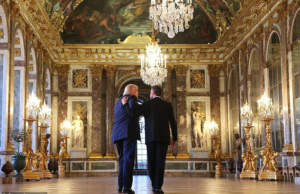
Iranian officials also celebrated the agreement, saying it gave Tehran important economic relief while keeping future negotiations open.
The Strait of Hormuz is a critical route for global energy shipments. Any disruption there can affect oil prices, fuel costs and supply chains around the world. That is why the reopening of the waterway is being closely watched by governments, shipping companies and energy markets.
For now, the agreement appears to be a major step toward de-escalation. But because it is still an interim deal, its success will depend on whether both sides follow through during the next 60 days.