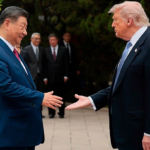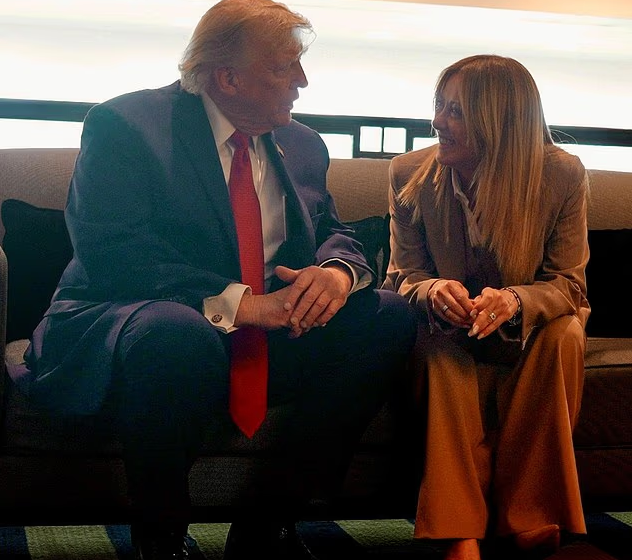

Italian Prime Minister Giorgia Meloni has sharply hit back at Donald Trump after he claimed she had begged him for a photo at the G7 summit.
Trump reportedly made the remark during an interview with Italian television, saying Meloni wanted a picture with him so badly that he agreed because he felt sorry for her.
Meloni responded angrily, calling the story completely fabricated. In a public statement, she said that neither she nor Italy ever beg, and she accused Trump of showing disrespect toward a close ally.
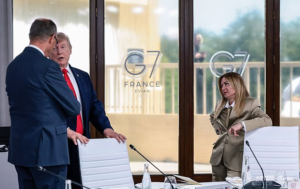
The row quickly turned into a diplomatic controversy. Italian Foreign Minister Antonio Tajani canceled a planned visit to the United States, saying Trump’s comments were serious and offensive to Italy as a whole.
The dispute marks a sudden downturn in relations between two leaders who had previously been seen as ideologically close. Meloni attended Trump’s 2025 inauguration and had often been described as one of his strongest allies in Europe.
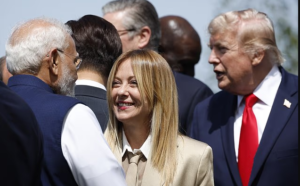
But tensions have grown in recent months over foreign policy, including Trump’s comments on Europe, Iran, Israel and the role of Western allies.
Meloni said she was astonished by Trump’s remarks and suggested that he was treating allies more harshly than adversaries. Her allies in Rome also accused Trump of damaging the historic relationship between the United States and Europe.
The controversy comes at a sensitive time for U.S.-Italy relations. Italy remains a major NATO ally, and both countries have worked closely on security, trade and migration issues.
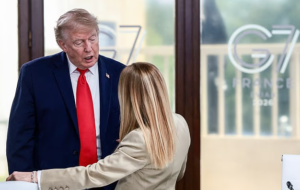
Trump has not publicly walked back the claim. However, Italian officials have made clear that they view the comment as more than a personal insult.
The photo dispute may seem small, but it has become a symbol of a wider problem: growing strain between Washington and European allies over respect, diplomacy and leadership style.
For Meloni, the message was direct. She rejected the idea that she begged for anything and framed the issue as a matter of national dignity.
SEO Title Ideas